
Latest News: OHA - Enhancing How Patients and Care Teams Connect →
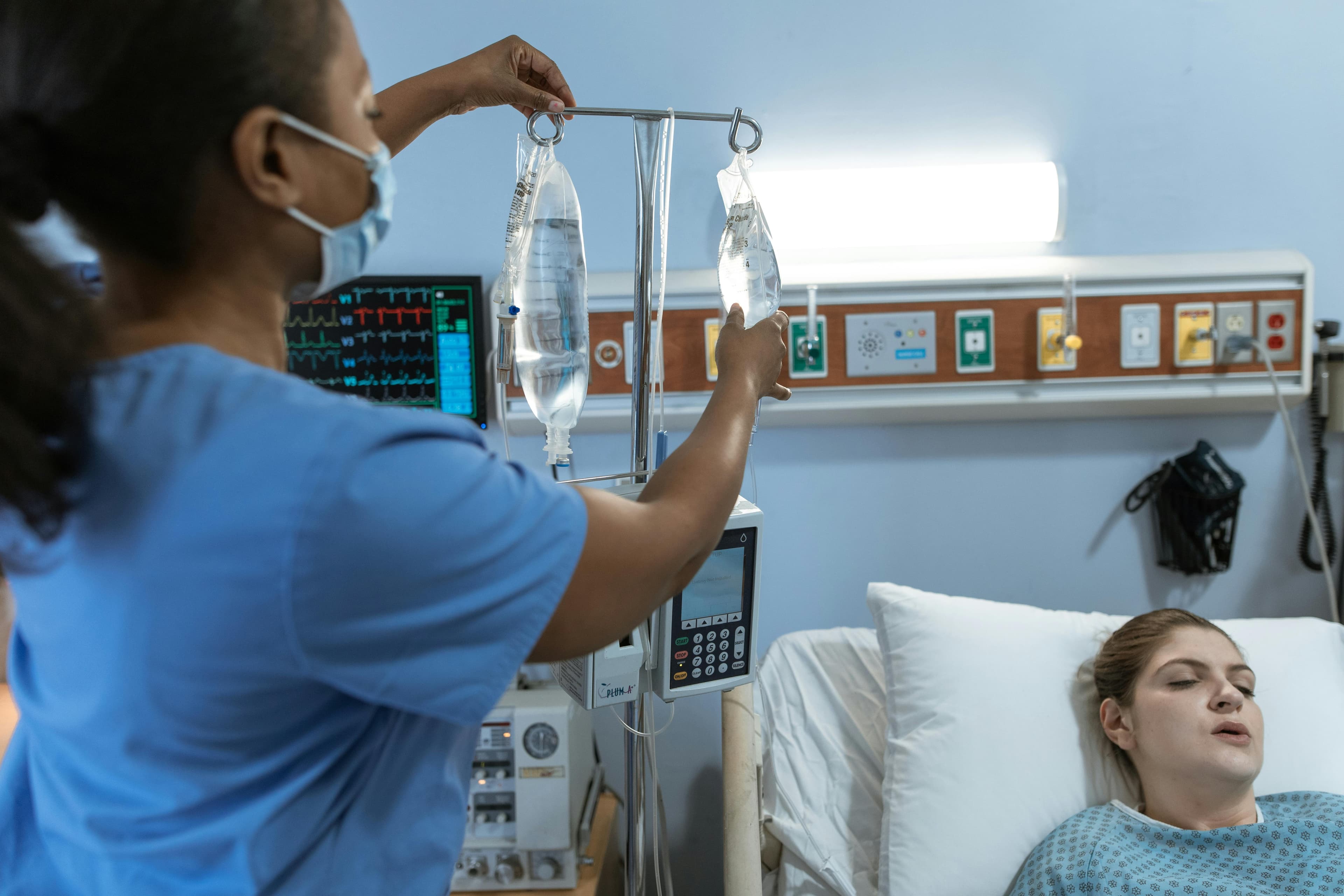
A nurse's shift rarely starts calmly. There is handover, medication timing, new orders to review, and patients already needing attention. Before the first hour passes, call bells begin to ring.
Each alert means stopping something mid-task. It might be charting, preparing medications, assisting another patient, or speaking with a physician. The nurse walks to the room without knowing what is needed. Only after arriving does the picture become clear: pain medication, help to the washroom, repositioning, a missing pillow, reassurance.
None of these requests are unimportant, but each one pulls attention away from something else. Often, the nurse must leave again to gather supplies or locate support staff. One request can turn into several trips.
Over a full shift, this pattern repeats dozens of times. Concentration is broken. Tasks are restarted. Priorities must be constantly reshuffled. Nurses mentally track who needs what, who they still need to return to, and what was interrupted along the way.
The fatigue that builds is not only physical. It is cognitive. The challenge is not just the number of tasks, but the constant uncertainty behind every call bell. By the end of the shift, nurses often feel they have worked nonstop yet still struggled to stay ahead.
Now imagine the same shift where patient requests are communicated clearly when the alert is sent.
The nurse sees whether the need is toileting assistance, pain management, or a comfort request. With that information, they can prepare before entering the room. Supplies come in one trip. Support staff can be involved early. Several needs can be handled in one round rather than through repeated interruptions.
The pace of the day remains busy, but it becomes more predictable. Nurses can prioritize with confidence instead of guessing. They spend less time backtracking and more time delivering care.
Patients also feel the difference. They can state what they need without worrying about “bothering” staff. They see faster, more prepared responses. Interactions feel more focused and less rushed.
Clear patient requests do not change how demanding nursing is, but they change how nurses can manage that demand. They reduce guesswork, prevent unnecessary trips, and limit constant task-switching that drains attention and energy.
When nurses know what patients need, they can prioritize safely, delegate appropriately, and bundle care. This protects time for medication administration, assessments, and clinical judgment. It also lowers cognitive overload, which is closely tied to errors and burnout.
The result is not just convenience. It is safer care, better use of staff time, and a more sustainable workload. Nurses spend less time reacting and more time delivering meaningful care.
In a system where staffing is tight and patient acuity is rising, clearer communication is not a luxury. It is a practical improvement that supports safety, efficiency, and nurse retention, while also improving the patient experience.